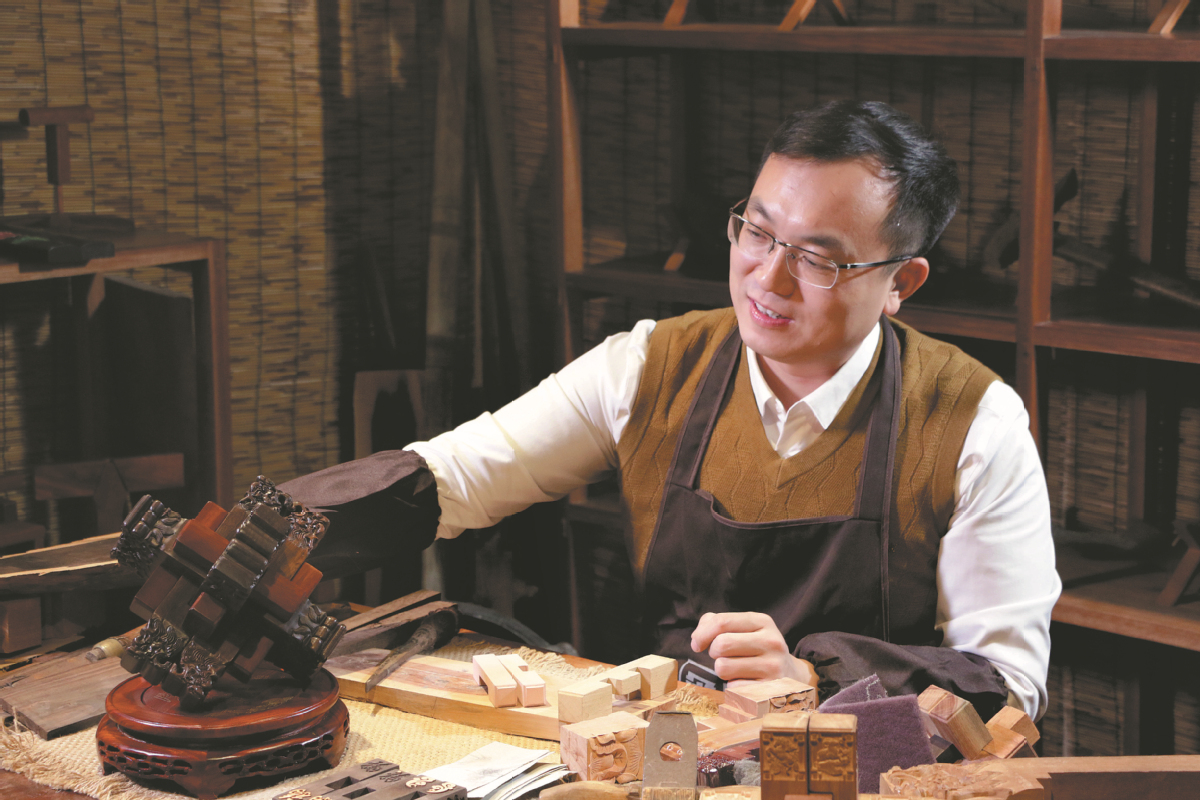
Luban Lock
Introduction
The Luban Lock, also known as the Kongming Lock, is a traditional Chinese puzzle toy that embodies ancient wisdom and craftsmanship. Named after Lu Ban, a legendary carpenter and structural engineer from the Spring and Autumn Period (770-476 BC), the Luban Lock is a wooden interlocking puzzle that challenges individuals to disassemble and reassemble its components. The puzzle is celebrated for its intricate design, which relies on the principles of mortise and tenon joints—a hallmark of ancient Chinese woodworking techniques. Over centuries, the Luban Lock has evolved from a simple educational tool to a symbol of Chinese cultural heritage, blending tradition with modern innovation.
Design and Structure
Materials Used
The Luban Lock is traditionally crafted from wood, with hardwoods such as rosewood, sourwood, and pearwood being the most commonly used materials. These woods are chosen for their durability, fine grain, and aesthetic appeal. In modern iterations, artisans often incorporate additional decorative elements, such as inlaid silver wire and engraved patterns, to enhance the puzzle's visual appeal. The surface of the Luban Lock is frequently adorned with traditional Chinese motifs, such as auspicious clouds, ruyi (a symbol of good fortune), and Wanfu (symbols of longevity and prosperity), which add cultural significance to the puzzle.
Types and Variations
The classic Luban Lock typically consists of six interlocking wooden rods, but over time, numerous variations have been developed. These include more complex designs featuring 12, 18, or even 24 rods. These variations not only increase the puzzle's difficulty but also serve as a canvas for artistic expression. Additionally, contemporary designers have introduced three-dimensional building blocks inspired by the Luban Lock, which are used as educational tools to enhance memory and creativity in children.
Cultural Significance
Symbolism in Chinese Culture
The Luban Lock is more than just a puzzle; it is a representation of ancient Chinese wisdom and craftsmanship. Its design reflects the ingenuity of Lu Ban, who is revered as the "father of carpentry" in China. The puzzle's reliance on mortise and tenon joints—a technique that does not require nails or screws—demonstrates the advanced engineering skills of ancient Chinese artisans. The Luban Lock also carries symbolic meanings, such as unity and harmony, as its interlocking components must work together seamlessly to form a complete structure.
Influence on Modern Puzzle Design
The principles underlying the Luban Lock have inspired modern puzzle designs worldwide. Its emphasis on spatial reasoning, problem-solving, and manual dexterity has made it a popular educational tool. Designers have also drawn from the Luban Lock's aesthetic and structural elements to create innovative products, ranging from jewelry to architectural models. The puzzle's enduring appeal lies in its ability to blend traditional craftsmanship with contemporary design, making it a timeless artifact of cultural and intellectual significance.
Educational Value
The Luban Lock serves as an effective educational tool that promotes cognitive development and problem-solving skills. Its intricate design challenges individuals to think critically and spatially, fostering creativity and patience. In recent years, the puzzle has been incorporated into school curricula and workshops to teach students about traditional Chinese craftsmanship and engineering principles. By engaging with the Luban Lock, learners gain a deeper appreciation for the ingenuity of ancient artisans and the cultural heritage of China.








